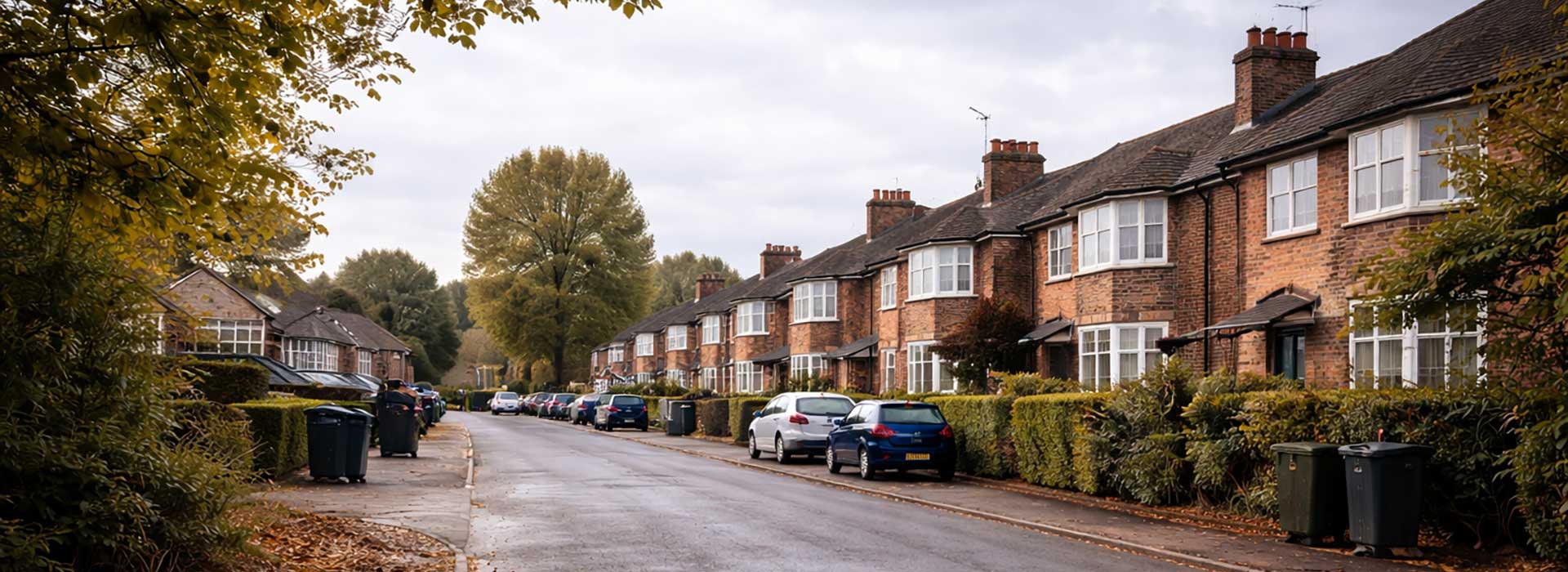
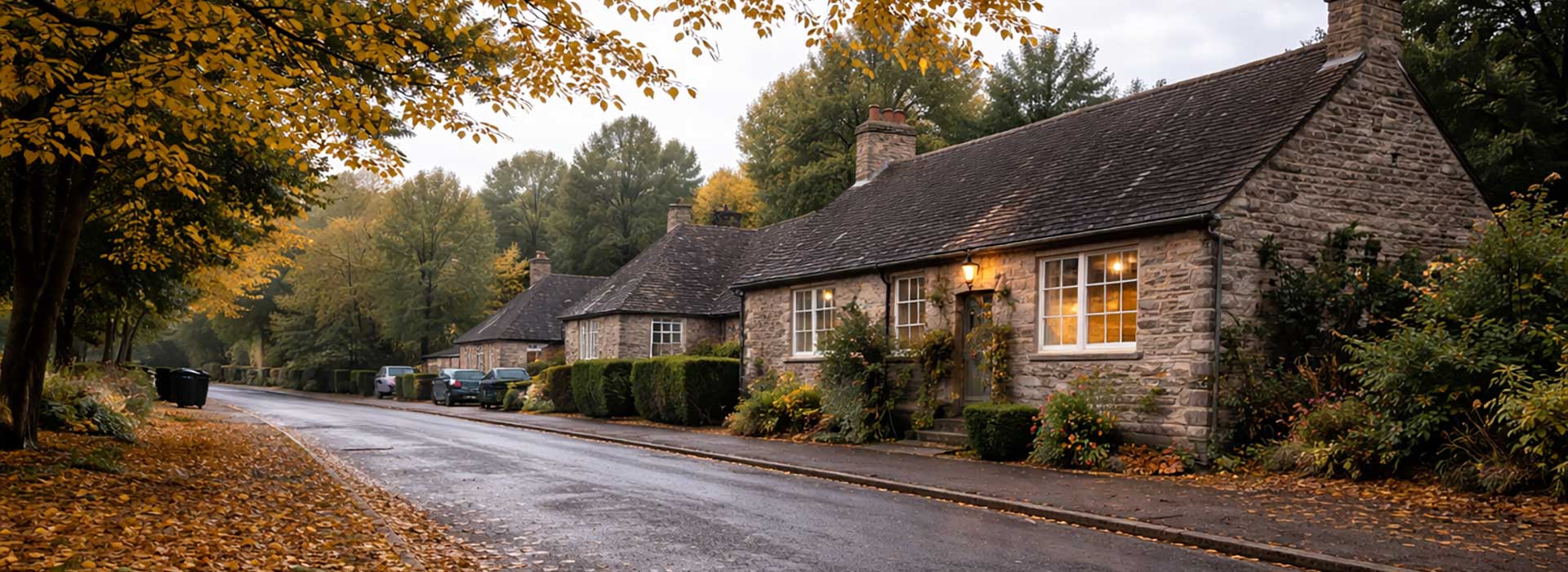
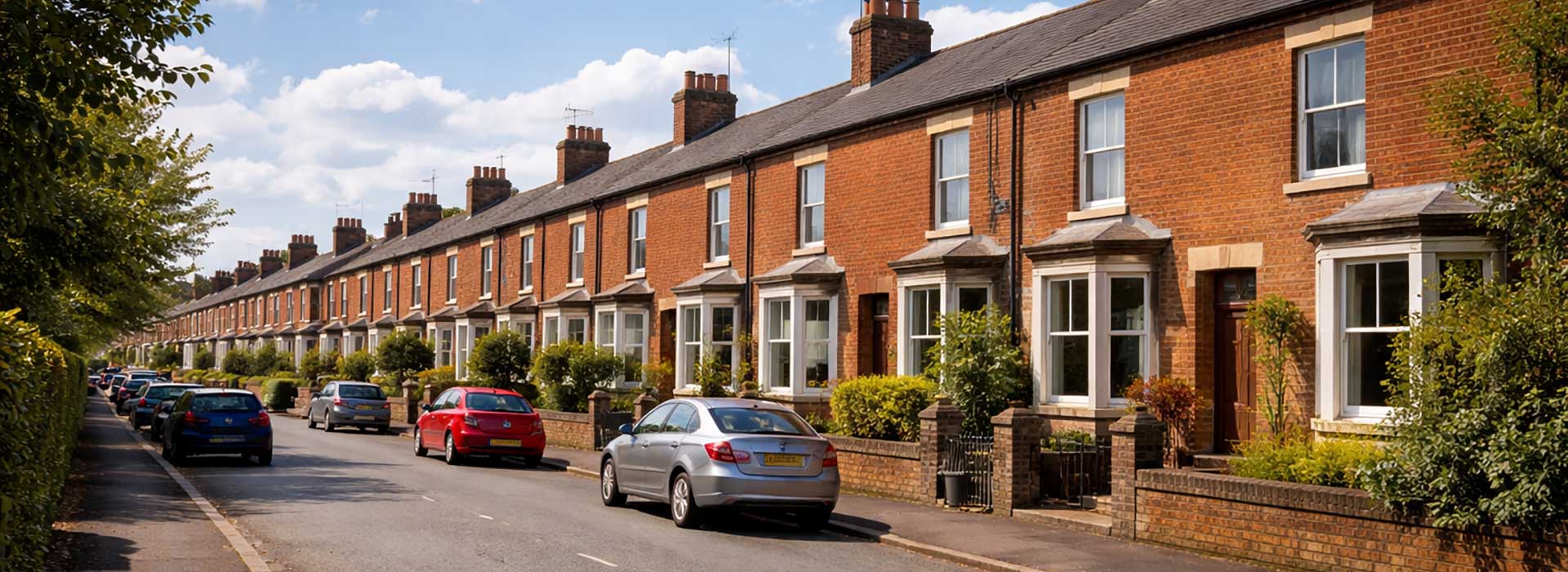

Historic houses have survived wars, weather and generations of well-meaning owners. Insurers respect that. They also know these buildings do not behave like modern homes, especially when something breaks, leaks or burns.
The challenge is not age alone. It is how the house was built, how it has been altered, and how it must be repaired.

What insurers mean by a historic house
There is no single definition.
Insurers usually use the term for houses built using traditional methods and materials that are no longer standard. That can include properties that are listed, but also many that are not.
Solid walls, timber frames, lime plaster, handmade tiles and historic roof structures all push a property into this category.
Why historic houses cost more to insure
Insurers focus on reinstatement.
Historic houses often require specialist materials and trades. Repairs take longer, cost more and may need professional oversight. Even minor damage can turn into a complex job.
That increased severity is what drives insurance terms.
Rebuild cost versus market value
This is where many owners stumble.
Historic houses can have modest market values but extremely high rebuild costs. Traditional materials, skilled labour, scaffolding and longer repair times all add up.
Insurers expect rebuild figures to reflect how the house would actually be rebuilt, not what it might sell for.
Traditional materials and repair methods
Historic houses rarely tolerate modern shortcuts.
- Lime mortar instead of cement
- Breathable plasters rather than gypsum
- Stone or brick sourced to match the original
- Traditional roof coverings and fixings
Insurers assume these methods will be required following damage. Policies that assume modern substitutes can fall short during claims.
Fire risk in older buildings
Fire remains one of the biggest concerns.
Older wiring, timber frames, open fireplaces and historic roof voids increase potential loss. Insurers often ask detailed questions about electrical upgrades, chimney maintenance and fire detection.
Upgrades are usually encouraged, provided they respect the building.
Subsidence and long-term movement
Historic houses often predate modern foundations.
Small amounts of movement over long periods are common. Insurers focus on whether movement is ongoing, monitored and properly addressed.
Poor documentation creates uncertainty, and uncertainty affects terms.
Previous alterations matter
Historic houses carry history, including changes.
Insurers may ask about past works, even if they were done decades ago. Structural changes, extensions and repairs can affect how damage is assessed later.
Undeclared or poorly recorded alterations tend to surface during claims.
Contents inside historic homes
Contents risk is often underestimated.
Uneven floors, narrow stairs and original features increase accidental damage risk. Built-in fittings and bespoke items can blur the line between buildings and contents.
Clarity before a claim avoids arguments later.

Security without modern fittings
Historic doors and windows are part of the appeal. Insurers still expect reasonable security.
Discreet locks, alarms and sensors are usually acceptable, but they need to be declared if they change the risk profile.
Maintenance expectations
Historic houses demand regular attention.
Insurers expect owners to manage roofs, gutters, chimneys and drainage. Damage caused by gradual deterioration is rarely treated kindly.
Maintenance records often matter more than people expect.
Common issues that reduce claims
The same problems appear again and again.
- Rebuild values set far too low
- Modern repair assumptions built into policies
- Undeclared alterations
- Maintenance issues mistaken for insured damage
Historic houses can be insured sensibly, but only when the policy reflects how the building actually behaves, ages and gets repaired.