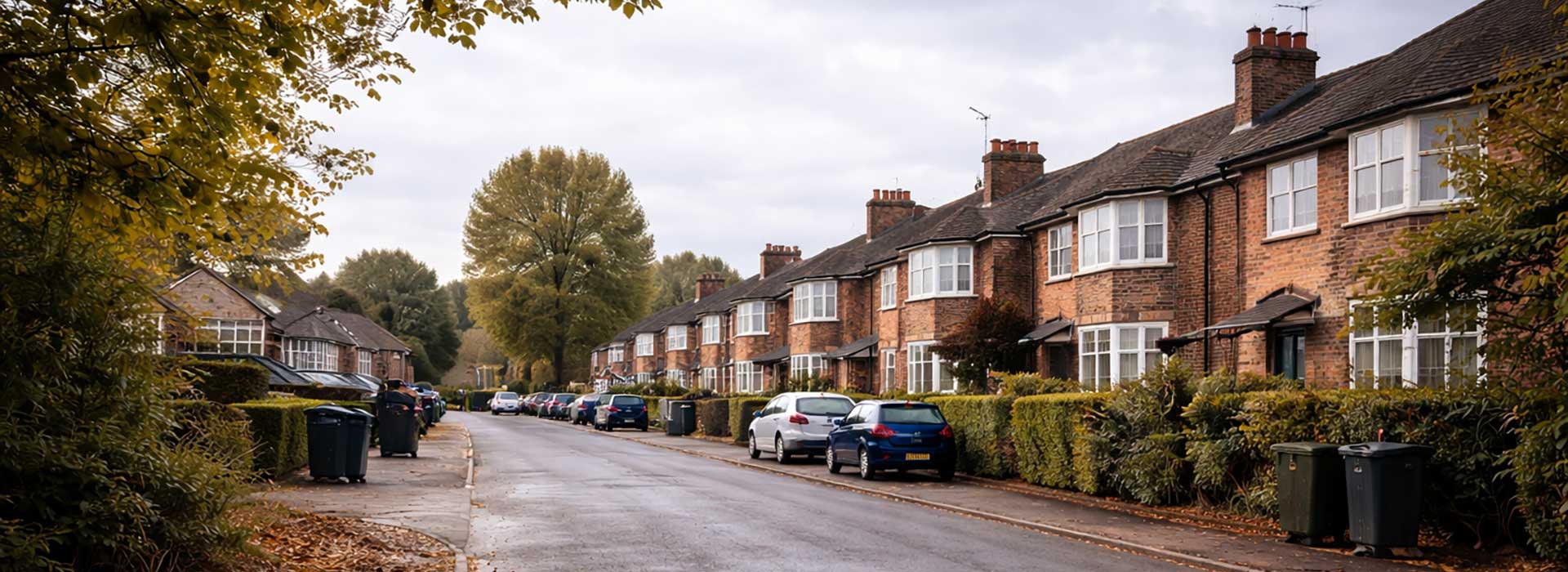
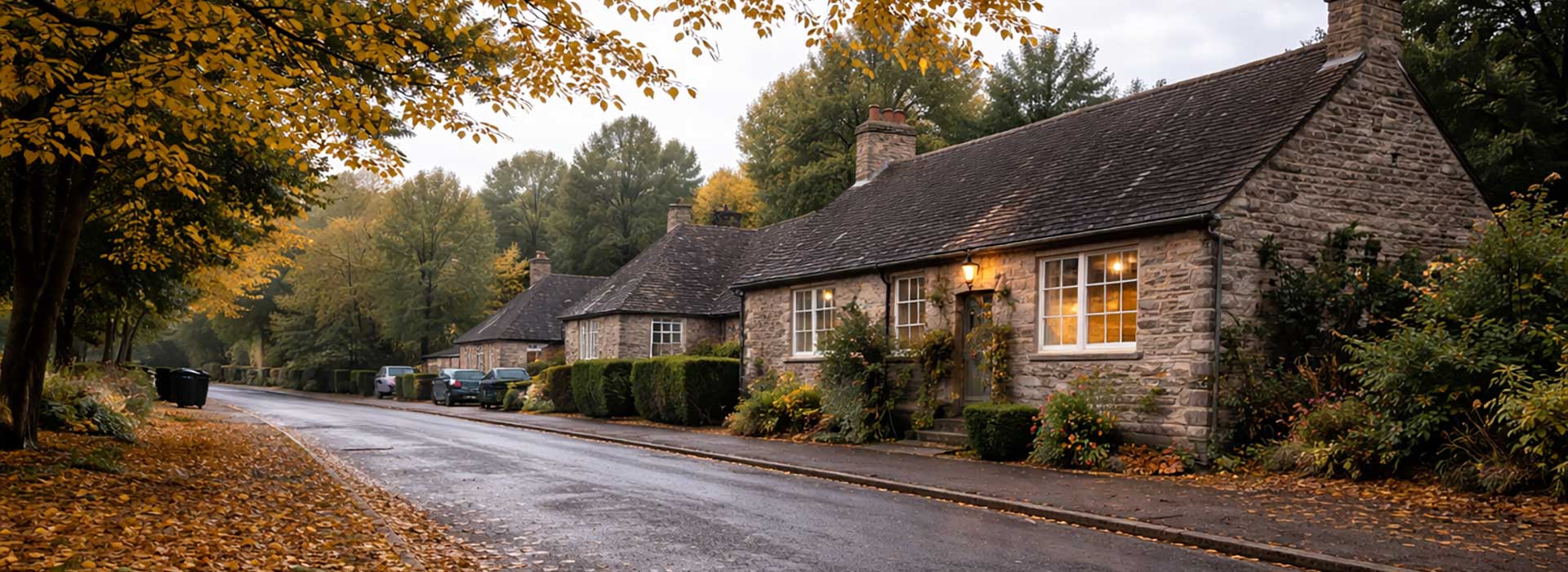
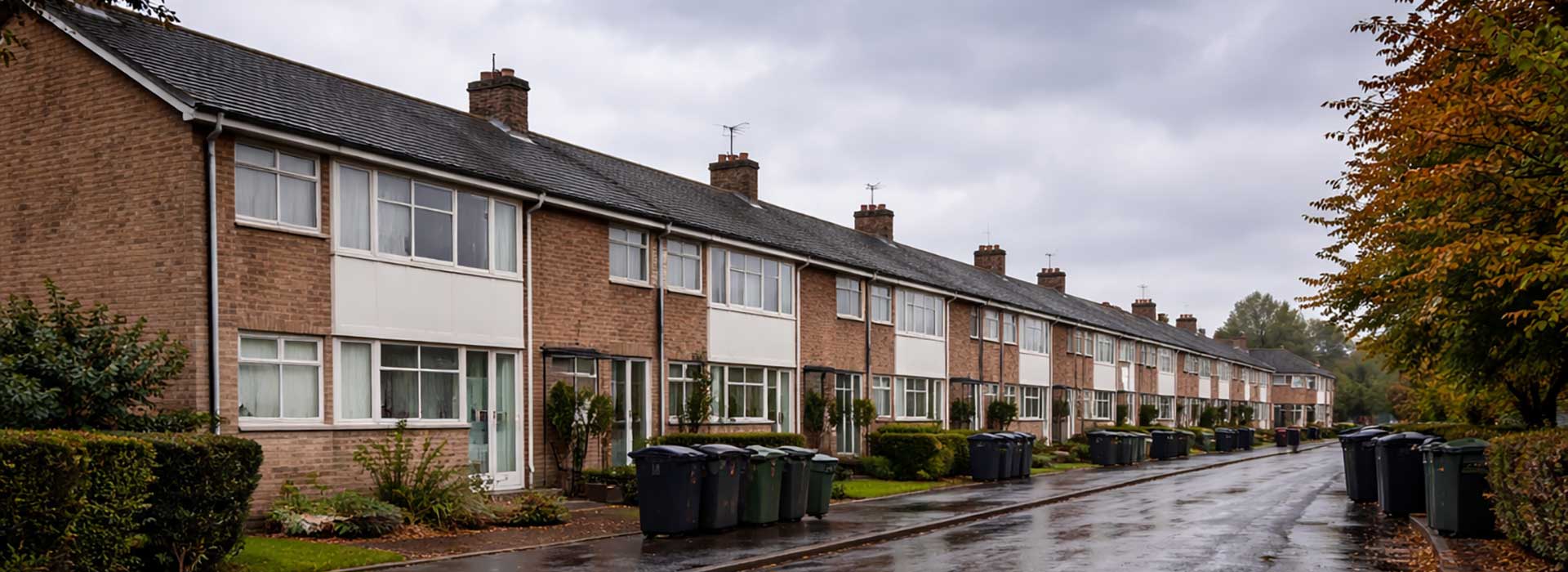
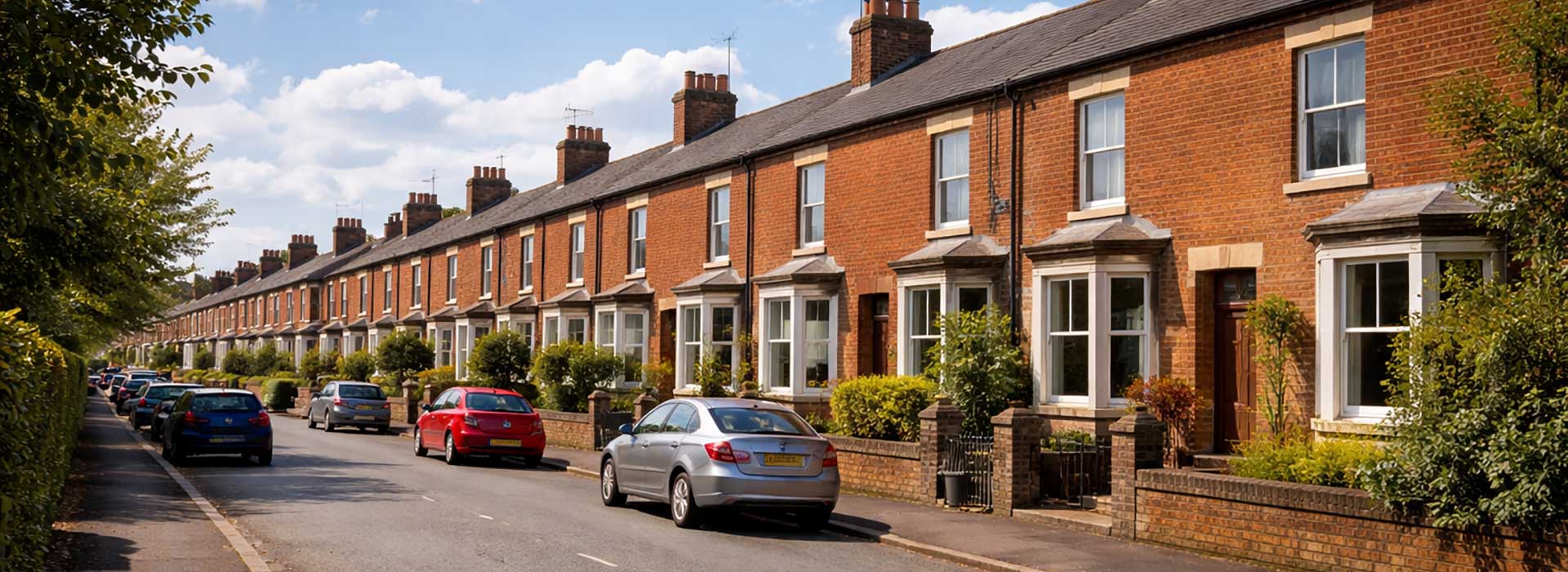

A house is a house, until it isn’t. The moment a property is used differently, built differently, or lived in differently, insurance starts asking more questions.
This is where people get caught out. The policy still looks like home insurance. The assumptions underneath it quietly change.
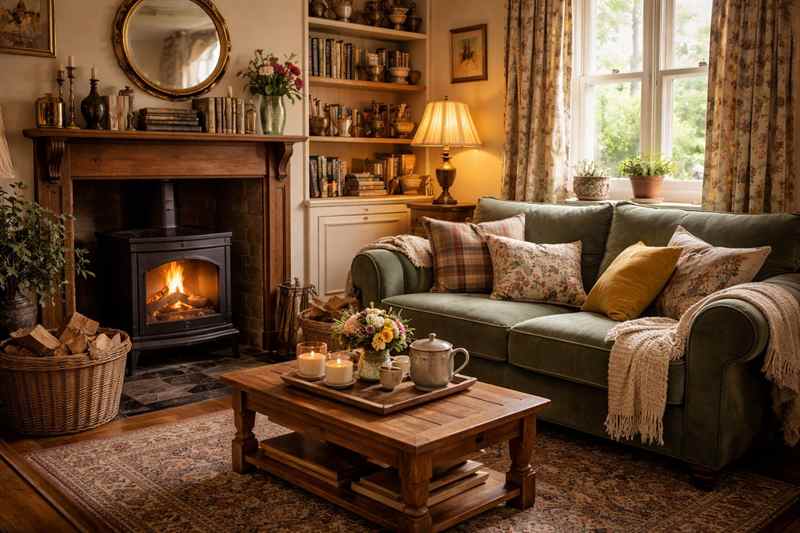
Standard owner-occupied homes
This is the reference point insurers work from.
An owner-occupied house or flat, lived in full time, built with standard materials, no unusual use. Most home insurance products are designed around this scenario.
Once a property moves away from this baseline, insurers adjust terms, limits, or appetite.
Rental properties and buy-to-let
Letting a property changes the risk profile immediately.
Landlord insurance replaces standard home insurance. Buildings are still covered, but contents usually refer only to items owned by the landlord, not tenants.
- Tenant damage is usually excluded
- Loss of rent may be optional
- Liability cover becomes more important
Using standard home insurance on a let property is a common mistake.
Flats and leasehold properties
Flats introduce shared responsibility.
The freeholder often insures the building. The leaseholder may need contents insurance and sometimes additional cover for improvements.
Understanding who insures what matters more than the price.
Second homes and holiday properties
Properties not lived in year-round attract extra attention.
Unoccupied periods increase risks such as theft, leaks, and unnoticed damage.
- Higher premiums are common
- Unoccupied conditions may apply
- Regular inspections may be expected
Holiday letting introduces further changes, especially if guests rotate frequently.
Short-term lets and serviced accommodation
Using a property for short stays shifts it closer to commercial use.
Insurers often require specialist policies that reflect higher footfall, higher liability risk, and greater wear.
Standard home insurance rarely stretches this far.
Working from home
Light clerical work often fits within standard policies.
Once business equipment, visitors, stock, or specialist tools enter the picture, insurers may require disclosure or additional cover.
The line is drawn by activity, not job title.
Older and non-standard buildings
Age alone is not the issue. Construction is.
Thatched roofs, timber frames, stone walls, flat roofs, non-standard materials. These affect how damage occurs and how repairs are carried out.
- Repair costs can be higher
- Specialist materials may be required
- Fewer insurers may be willing to quote
Insurance is still available, but expectations change.
Listed buildings
Listed status adds another layer.
Repairs may need approval. Materials must match original construction. Timelines stretch.
Policies often reflect this through higher sums insured and specialist wording.
Mixed-use properties
Properties used for both residential and commercial purposes sit outside standard definitions.
A flat above a shop. A house with a treatment room. A property partly let, partly occupied.
These arrangements usually require bespoke underwriting.
Unoccupied and empty homes
Empty properties are treated cautiously.
After a set period, cover is often restricted to major perils only. Escape of water, theft, and accidental damage may be limited or removed.
Regular checks are often required to keep cover intact.
Why use matters as much as structure
Insurers assess risk based on how a property is lived in as much as how it is built.
More people, more turnover, more activity. Risk increases accordingly.
Most problems arise when the use changes and the insurance does not.
Where things tend to go wrong
Issues usually appear at claim stage, not when the policy is bought.
- Using standard cover for non-standard use
- Not updating the insurer when circumstances change
- Assuming similar properties are treated the same
Home insurance adapts to many situations, but it relies on accuracy. Property type and use shape how insurers respond long before anything goes wrong.
More useful information
Bedsit insuranceHome insurance for seniors
Home insurance for shared ownership properties
Home insurance for holiday homes
Insurance for Airbnb and short-term lets
Insurance when working from home
Home insurance for working from home
Home insurance for older houses
Home insurance for listed buildings
Insuring listed properties in multiple occupation
Insurance for historic houses
Insurance for converted barns
Insurance for non-traditional construction
Insurance for unconventional homes