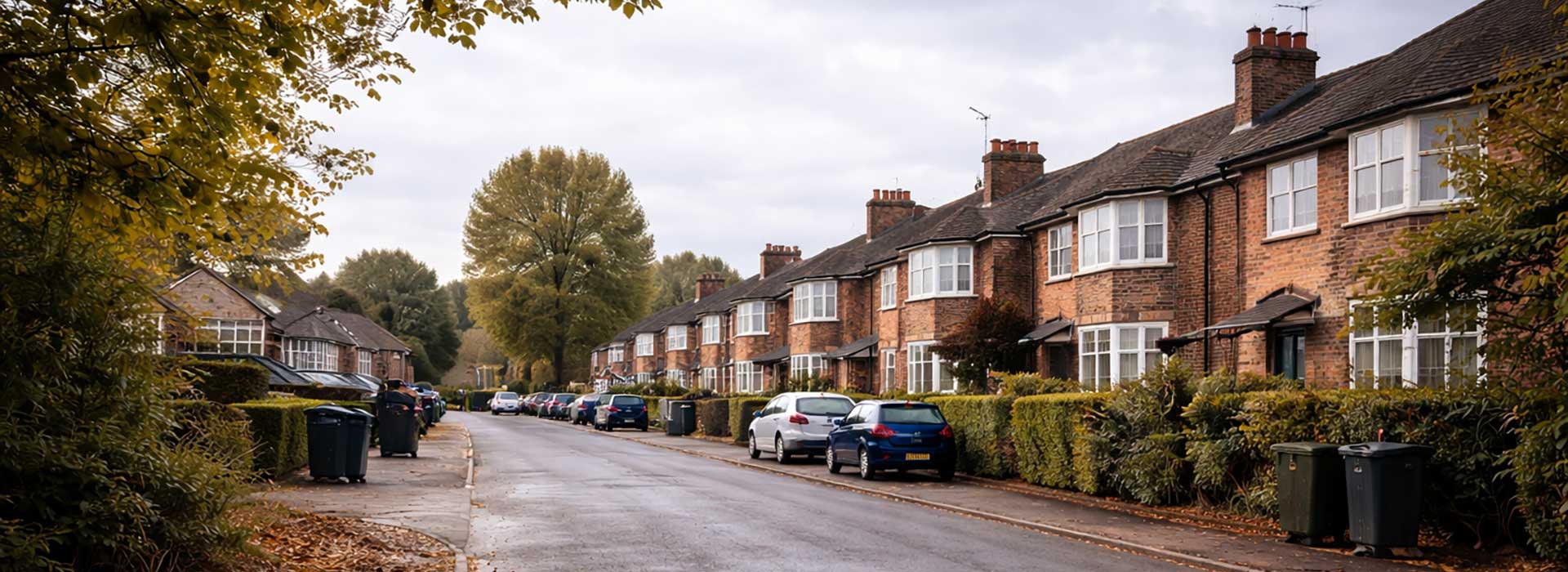
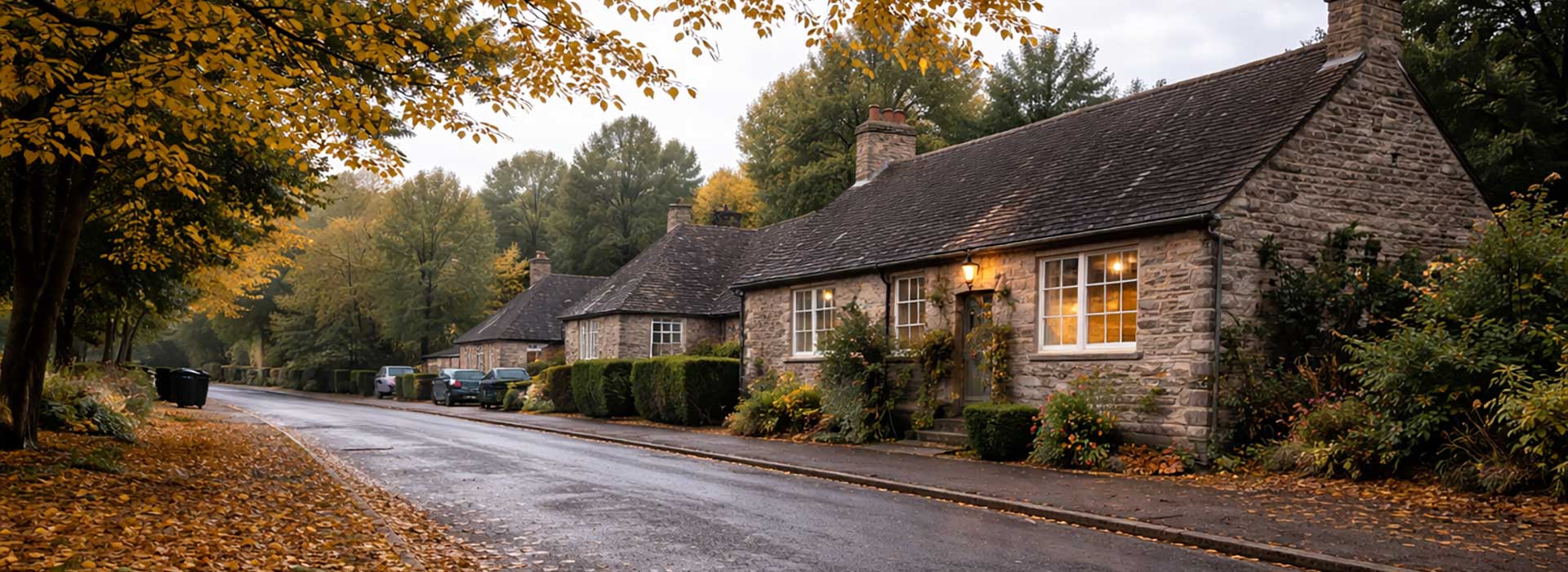
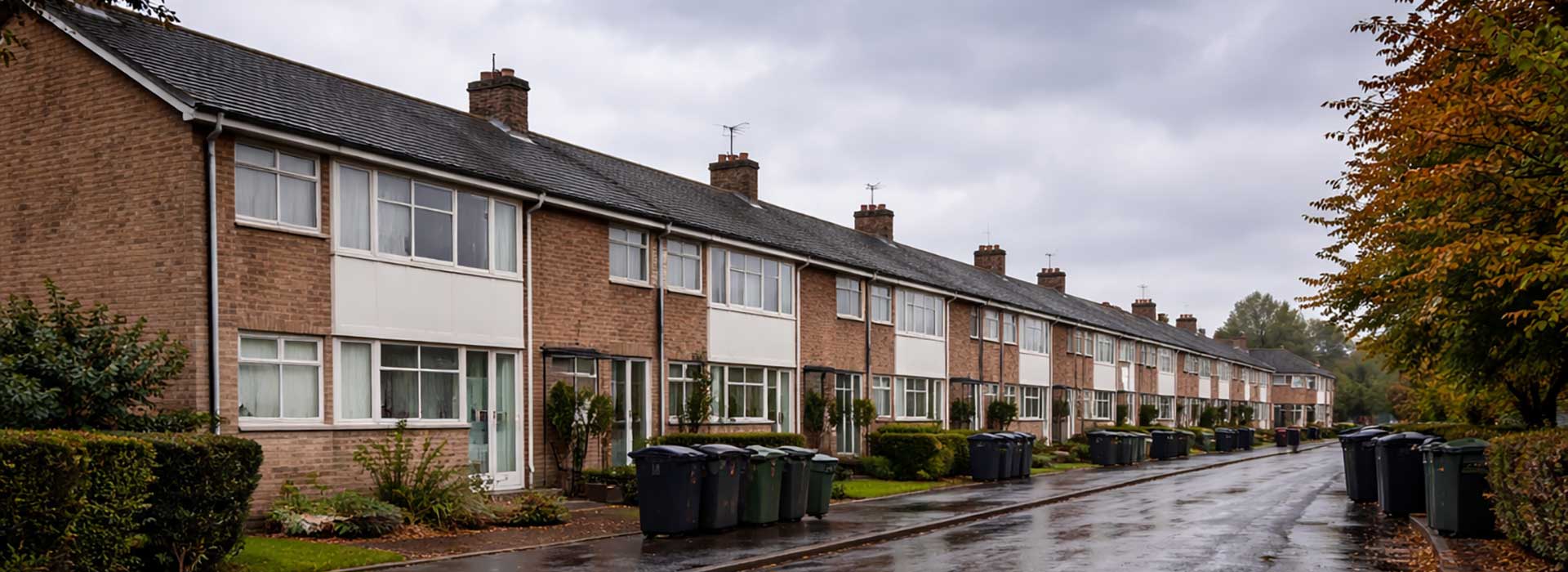
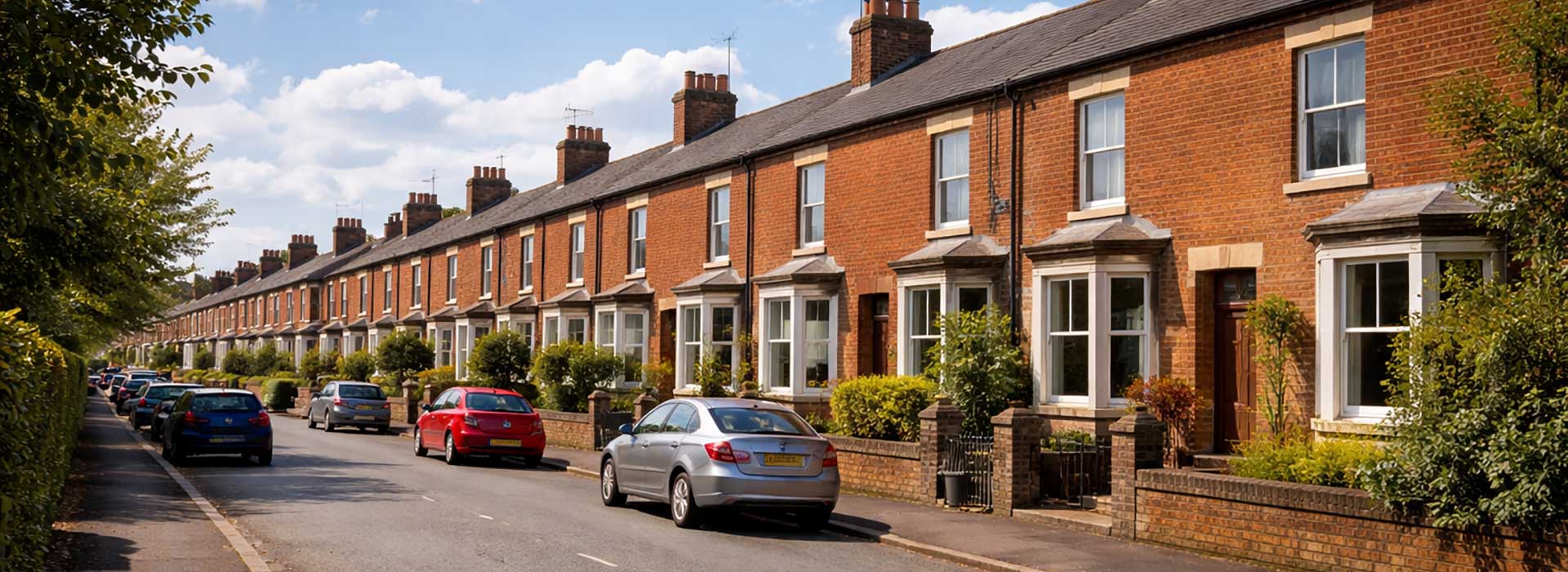

Old houses have character. They also have wiring that remembers ration books, walls that breathe whether you want them to or not, and plumbing that does things in its own time. Insurers notice all of this. Sometimes more than the owner does.
Age alone is not the problem. Construction, condition and upkeep matter far more.

How insurers define an older property
There is no single cut-off. Some insurers start asking extra questions once a home passes a certain age. Others focus on materials and methods rather than dates.
Solid walls, timber frames, lime mortar, slate roofs and original features all move a property out of the standard bracket.
Construction materials that attract attention
Non-standard construction is the phrase that often causes friction.
- Solid stone or brick walls without cavities
- Thatched, slate or handmade tile roofs
- Timber frames or mixed construction
- Cast iron, lead or galvanised plumbing
None of these automatically prevent insurance, but they change how risk is priced and assessed.
Wiring, plumbing and heating systems
This is where questions usually start.
Older electrics, especially original wiring or dated consumer units, raise fire risk concerns. The same applies to ageing pipework and boilers long past their first flush of youth.
Insurers often ask when systems were last updated. Vague answers tend to cause delays.
Roof condition and maintenance history
Roofs matter more than people expect.
Loose slates, worn flashings and historic repairs are common in older homes. Insurers may ask about recent inspections or repairs, particularly if the roof is original.
Deferred maintenance shows up quickly when a claim is made.
Subsidence and ground movement
Older houses often sit on shallow foundations.
Tree roots, clay soil and long-term movement are familiar issues. Even historic subsidence can affect insurance availability and excess levels.
What matters is whether the issue was resolved properly and documented.
Rebuild cost versus market value
This catches people out.
Older houses often cost far more to rebuild than their market value suggests. Traditional materials, specialist labour and listed requirements all add up.
Underinsuring here causes serious problems at claim stage.
Listed buildings and conservation areas
Listed status changes everything.
Repairs may need approved materials and skilled trades. That increases claim costs and repair times.
Insurers usually want confirmation of listing grade and any past alterations.
Renovations and ongoing work
Older houses are rarely finished.
Structural changes, rewiring, roof work or extensions should be declared. Standard policies may restrict cover during major works.
Temporary arrangements often fall between policy definitions.
Contents insurance in older homes
Contents risk is often higher than expected.
Older houses may have uneven floors, narrower stairs and original features that make accidental damage more likely.
Fireplaces, open chimneys and older electrics all influence insurer assumptions.

Security considerations
Original doors and windows look beautiful. Insurers prefer locks.
Older properties may need upgraded security to meet minimum policy standards, especially in rural locations.
Common reasons claims get reduced
The issues tend to repeat.
- Wear and tear mistaken for insured damage
- Unreported previous problems
- Outdated systems left unchecked
- Rebuild values set far too low
Older houses can be insured properly. They just require accurate information, realistic sums insured, and an acceptance that age brings obligations as well as charm.