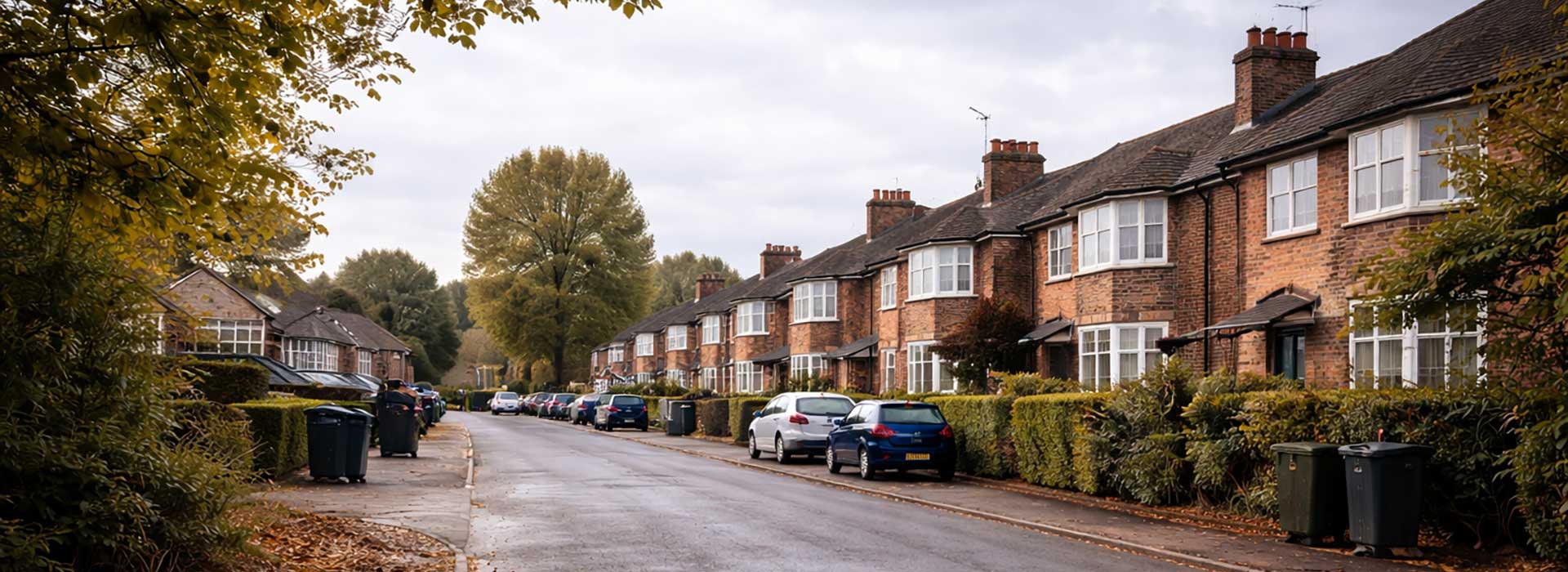
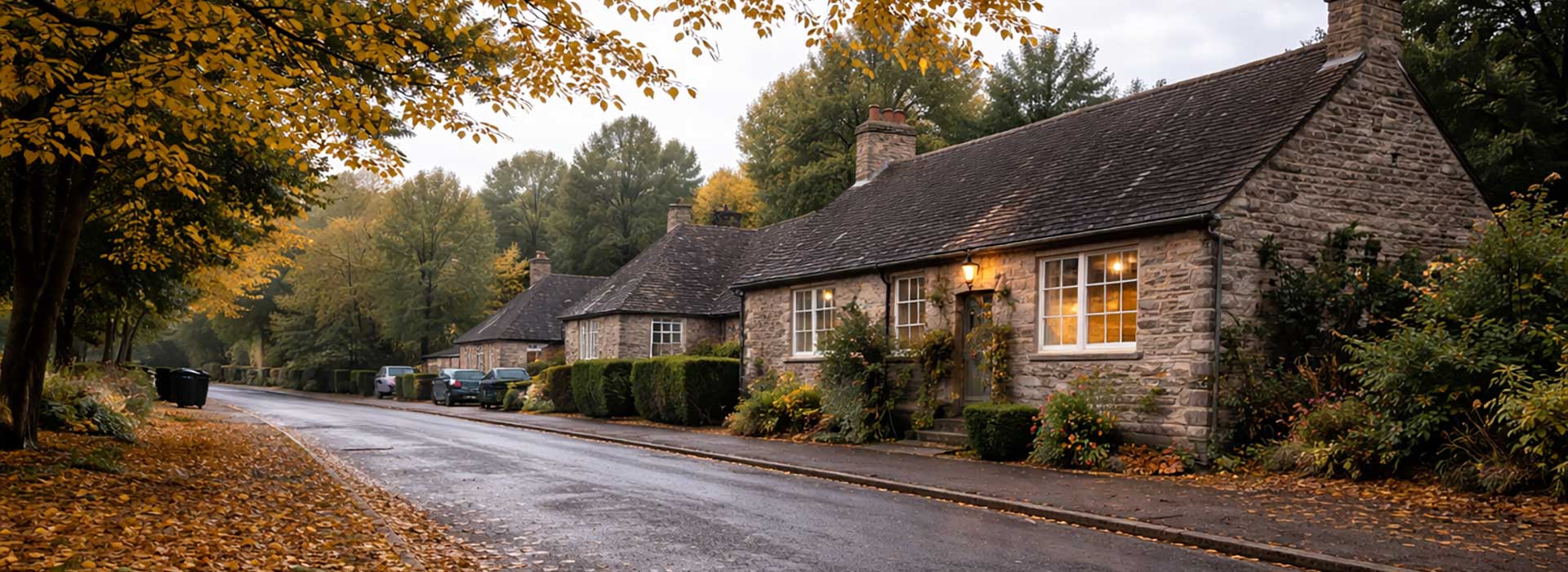
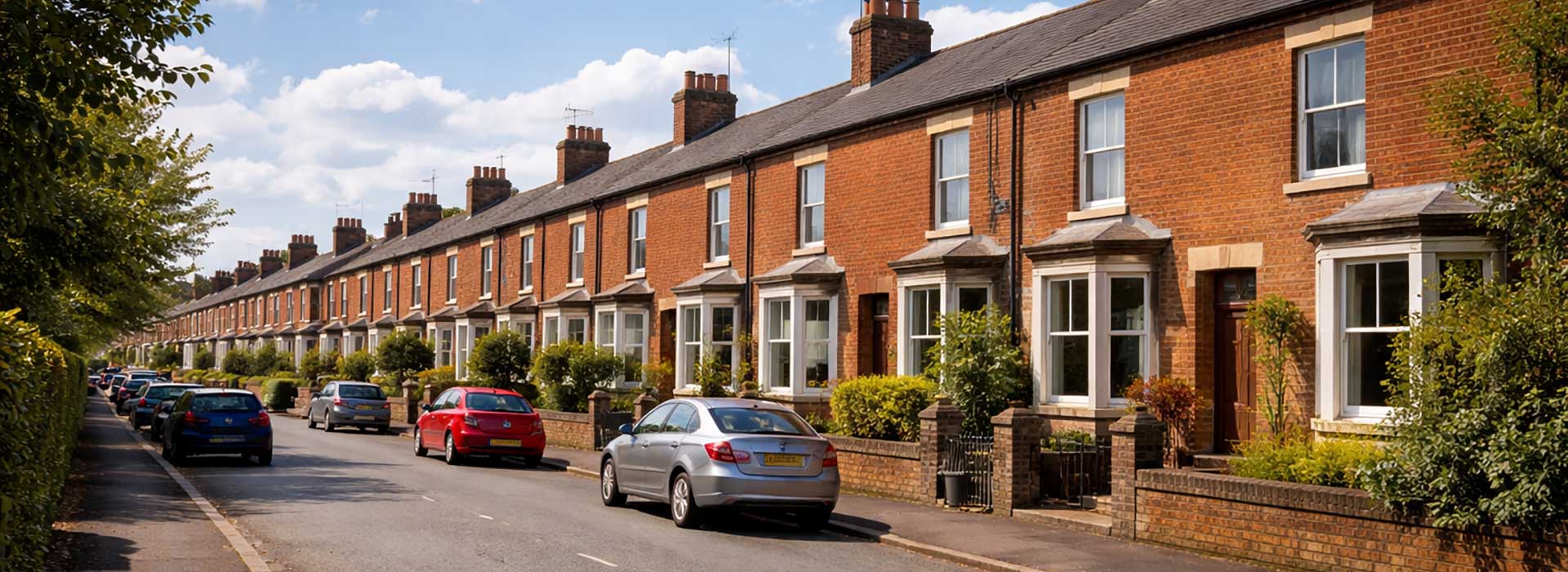

Listed buildings look fantastic. They also come with paperwork, restrictions, and repair rules that insurers take very seriously. Miss one detail and you usually find out at the worst possible moment.
The listing itself is not the risk. The way repairs must be carried out is.

Why listed status changes insurance
A listed building cannot be repaired like a modern house. Materials, methods and approvals all matter.
If a roof collapses or a wall needs rebuilding, insurers know they cannot send in a general builder with modern materials. Everything takes longer and costs more.
Grades, registers and what insurers ask
Insurers usually want to know the listing grade and the local authority involved.
- Grade I buildings with exceptional interest
- Grade II buildings of special interest
- Grade II* buildings sitting in the middle
Higher grades tend to bring more restrictions and higher rebuild costs.
Rebuild cost is rarely obvious
Market value is almost irrelevant here.
Rebuild figures need to reflect specialist labour, traditional materials, conservation oversight and extended timescales. Underestimating this is one of the most common mistakes.
A modest-looking cottage can cost a surprising amount to reinstate properly.
Approved materials and specialist trades
Listed repairs often require lime mortar, handmade tiles, traditional joinery and stone from approved sources.
Insurers factor this in. Standard policies often fall short because they assume modern substitutes will be used.
Consent and delays during repairs
Repairs usually require listed building consent.
That means inspections, drawings and approvals before work starts. Claims can stretch out simply because permission takes time.
Insurers expect owners to understand this process.
Alterations, past and present
Insurers may ask about previous work.
Unauthorised alterations can create serious problems if damage relates to those areas. Even well-meaning changes done years ago can complicate a claim.
Fire risk and older construction
Fire is a major concern with listed buildings.
Older wiring, open fireplaces, timber frames and historic roof structures all increase potential loss severity. Insurers often ask detailed questions here.
Subsidence and long-term movement
Many listed buildings predate modern foundations.
Minor movement over decades is common. What insurers focus on is whether it has been monitored, stabilised, and properly recorded.
Contents insurance inside listed buildings
Contents can be harder to replace than expected.
Bespoke fittings, built-in features and period finishes may sit between buildings and contents definitions. Clarity matters before anything goes wrong.

Security expectations
Original doors and windows are part of the charm. Insurers still expect reasonable security.
Discreet upgrades are usually acceptable, but they need to be declared if they change risk assumptions.
Common reasons for reduced settlements
The same issues crop up repeatedly.
- Rebuild costs set far too low
- Unreported alterations
- Assumptions about modern repair methods
- Missing maintenance records
Listed buildings can be insured properly, but only when insurers are given accurate information and realistic expectations from the start.