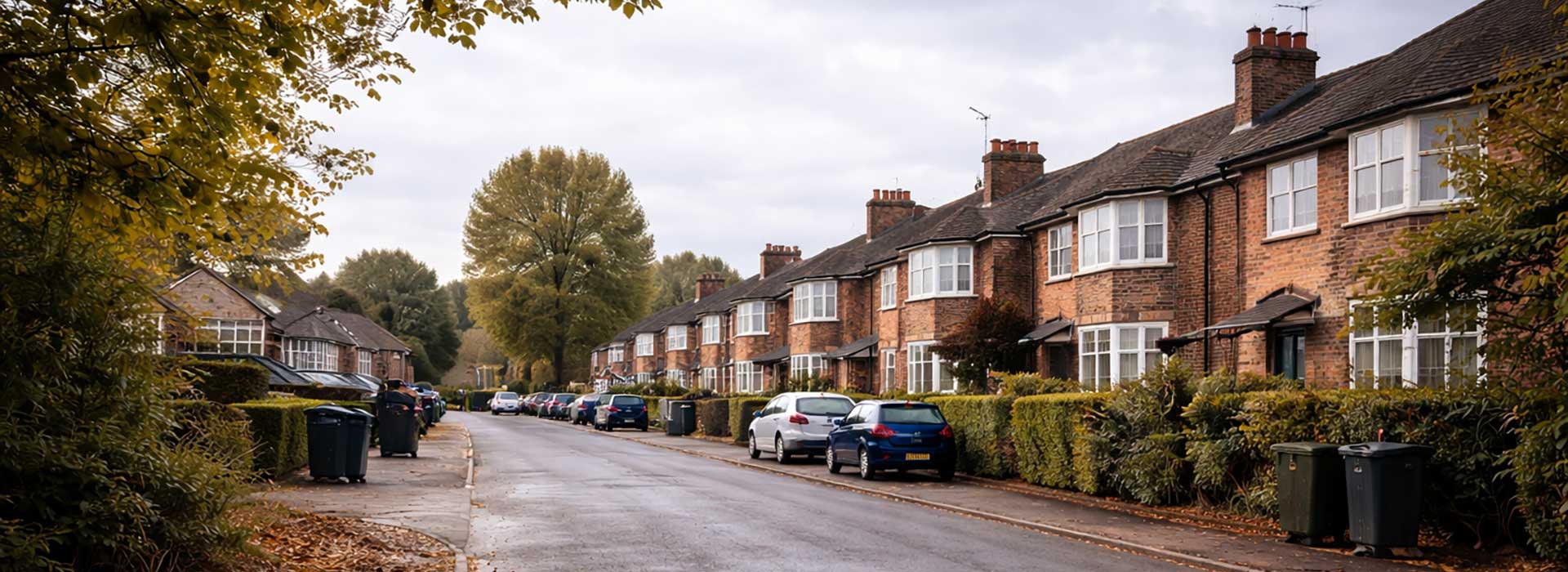
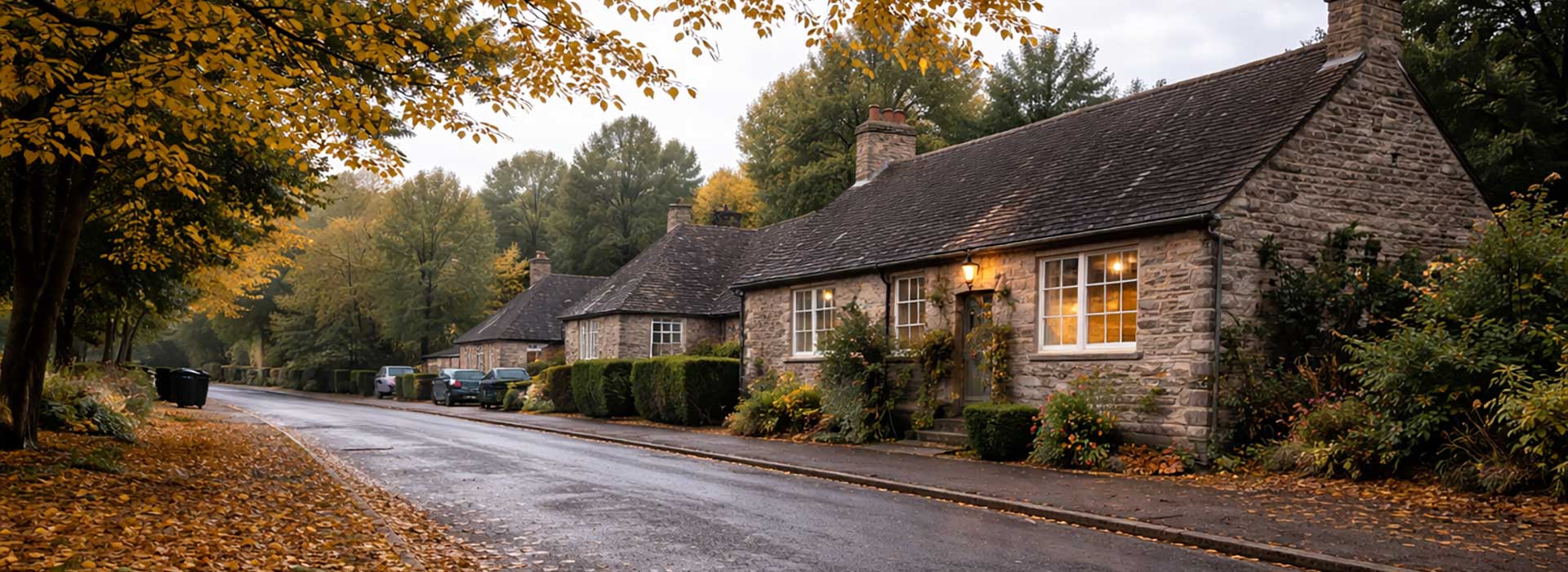

A holiday home feels like a reward. Somewhere to escape to, lock up, forget about for weeks at a time. Insurers don’t forget about it at all. In fact, they worry about it more than a main residence.
The gaps between visits change everything.

Why standard home insurance often falls short
Most standard home insurance policies are built around one assumption. Someone lives there most of the time.
Holiday homes break that assumption. Long periods without anyone checking the place increase the chance of problems going unnoticed.
That is why many insurers insist on specialist holiday home cover rather than a normal policy.
Unoccupied periods and policy conditions
Unoccupied does not mean abandoned, but insurers draw a line somewhere.
After a set number of days, often thirty or sixty, cover can be restricted unless the policy is designed for holiday use.
- Theft cover may be limited or removed
- Escape of water cover may be restricted
- Regular inspections may be required
Missing an inspection window can have consequences at claim stage.
Theft risk in holiday homes
Empty properties attract attention.
Rural locations, coastal villages, and seasonal areas can be especially exposed outside peak times.
Insurers often expect stronger physical security as a result.
Security expectations
Locks, shutters, alarms. These matter more with holiday homes.
Declaring security features can help, but they usually come with conditions.
If a policy says an alarm must be set when the property is empty, that is not optional.
Escape of water and heating risks
Water damage is one of the biggest concerns.
A burst pipe in an empty property can cause serious damage before anyone notices.
- Draining systems down in winter
- Leaving heating on low settings
- Using smart leak detection
Insurers may expect some combination of these steps.
Letting your holiday home
Occasional letting changes the insurance picture again.
Once guests stay, even infrequently, insurers may treat the property as partly commercial.
That affects liability, wear and tear assumptions, and theft risk.
Short-term lets and guest damage
Guest damage is usually not treated the same way as accidental damage by the owner.
Some policies exclude damage caused by paying guests unless specific cover is in place.
Deposits help. Insurance may not.
Contents in holiday homes
Holiday home contents tend to be different.
Fewer valuables, more durable furniture, practical items rather than sentimental ones.
Insurers often expect sums insured to reflect this.
Coastal and rural locations
Location matters.
Coastal properties face weather exposure. Rural homes may be harder to access quickly in an emergency.
These factors can influence premium and policy terms.
Keys, access and responsibility
Holiday homes often involve key safes, neighbours, cleaners, or managing agents.
Insurers may ask who has access and how keys are controlled.
Loose arrangements can complicate theft claims.

Liability considerations
If guests, friends, or family use the property, liability cover matters.
Trips, falls, faulty steps, loose handrails. These risks don’t disappear just because it’s a holiday.
Common assumptions that cause problems
Most issues come from treating a holiday home like a second version of the main house.
- Using standard home insurance without checking conditions
- Underestimating unoccupied restrictions
- Letting without updating the insurer
Holiday homes can be insured properly, but they need policies designed for how they are actually used. The freedom of locking up and leaving only works if the insurance understands that pattern too.