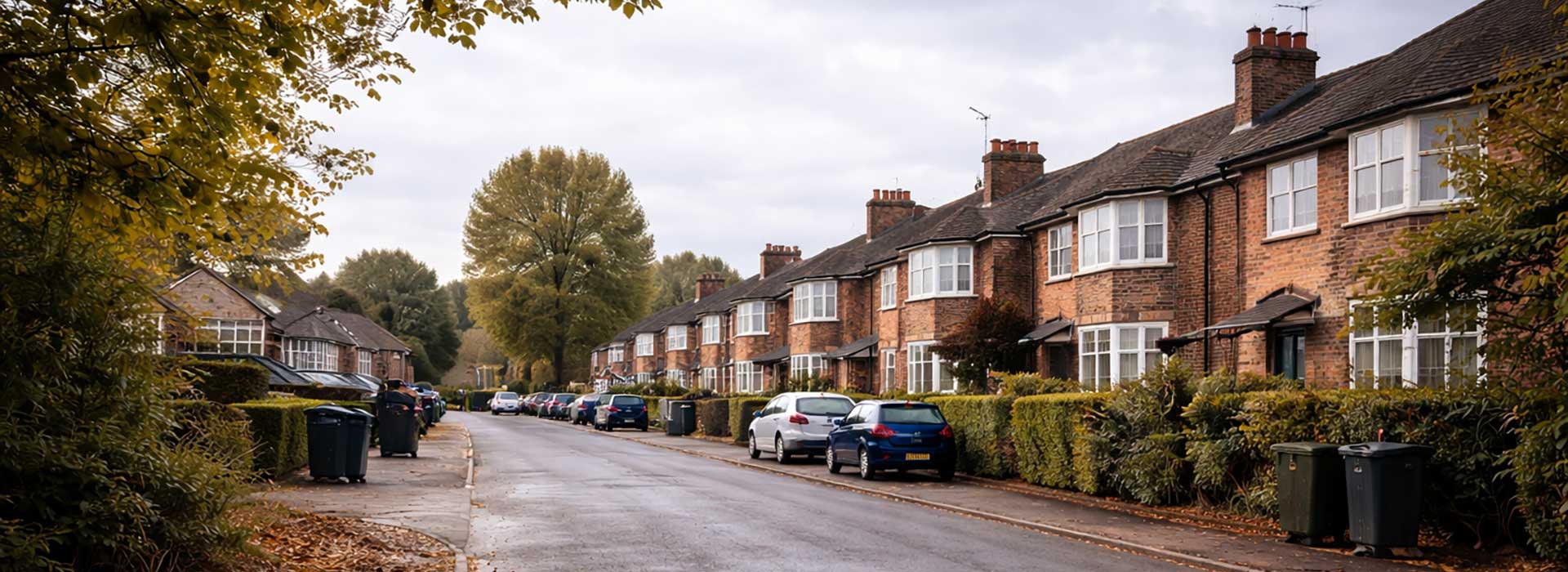
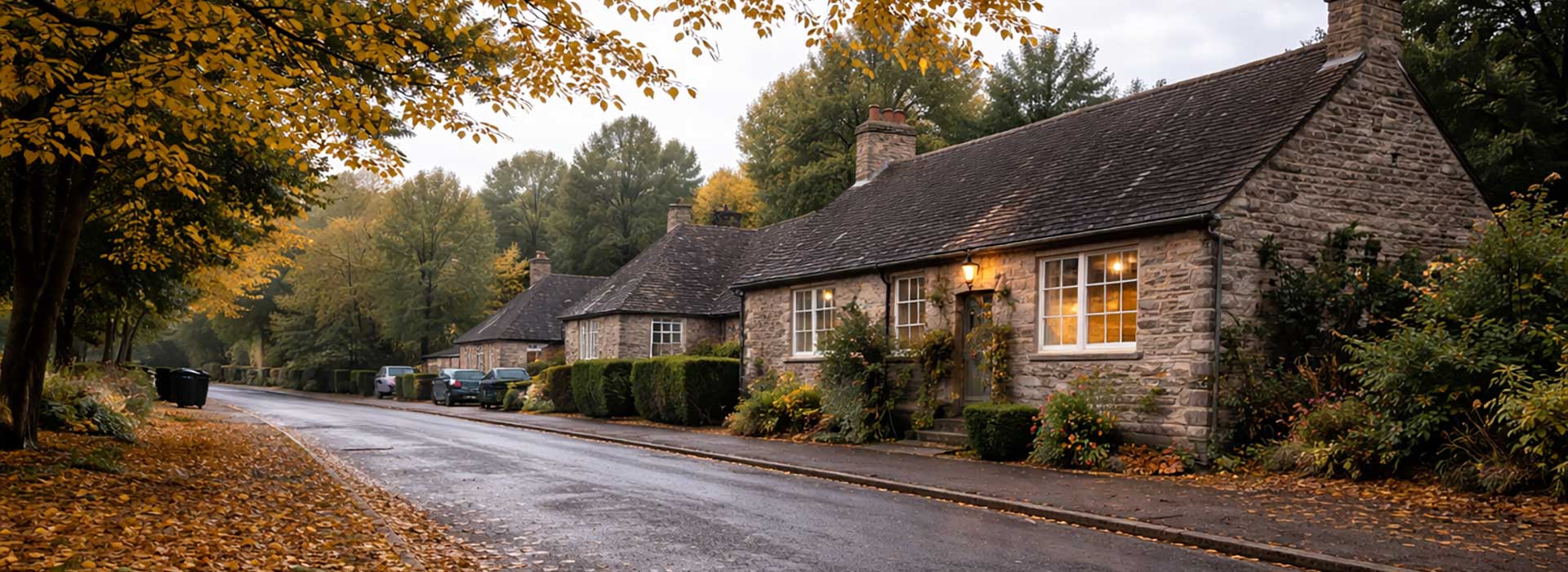
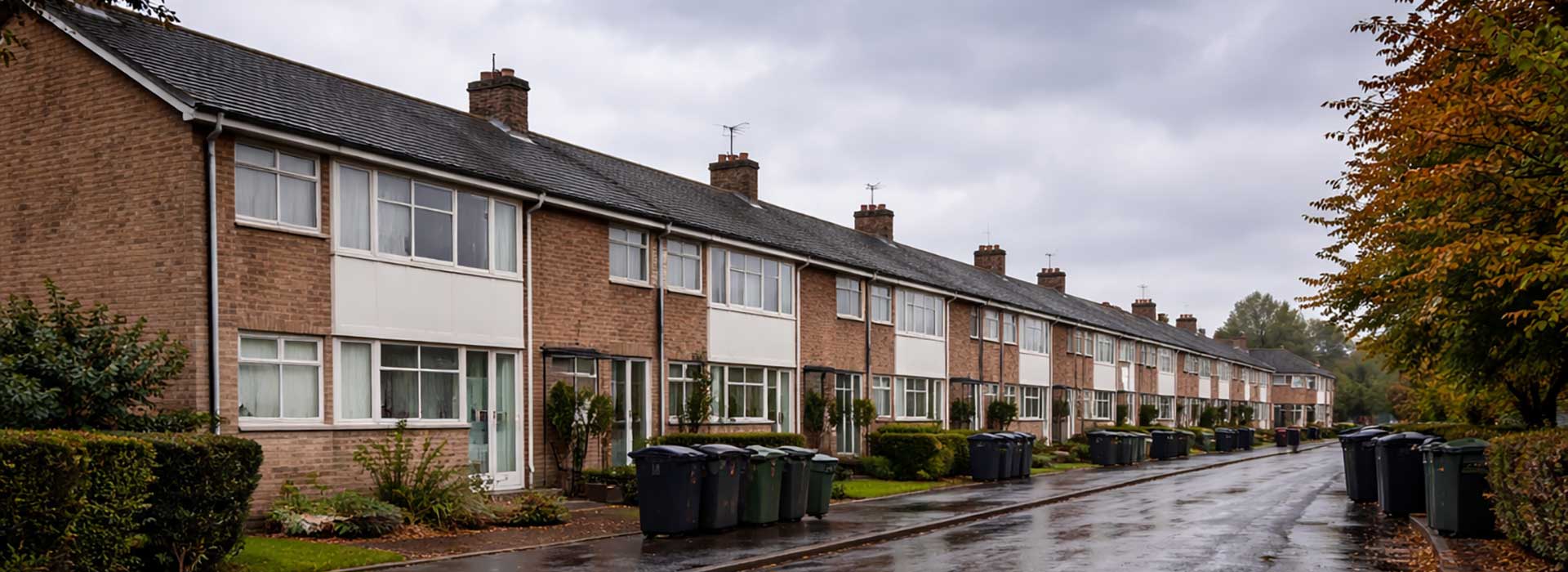
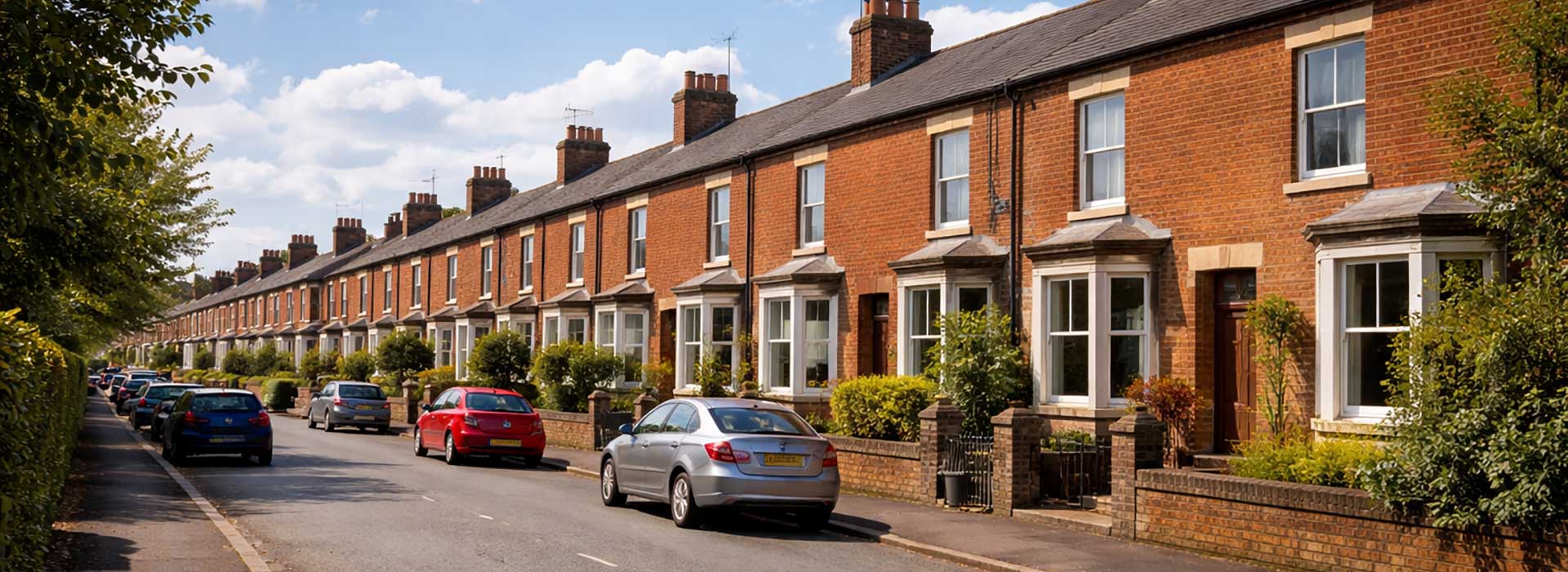

Mention non-traditional construction and insurers tend to slow down, not because the house is uninsurable, but because it does not behave like standard brick and block.
Some of these homes were built quickly, others experimentally, and many have aged in ways their designers never imagined. That history matters when insurance is involved.

What insurers mean by non-traditional construction
The label covers a wide range of building methods.
Anything that is not brick or stone walls with a tiled or slate roof usually falls into this category. Many were post-war solutions to housing shortages, others were modern alternatives intended to be faster or cheaper.
- Concrete panel and reinforced concrete homes
- Steel or timber framed systems
- Prefabricated or modular structures
- System-built houses with proprietary components
Two houses that look similar from the outside can behave very differently underneath.
Why insurers see extra risk
Non-traditional homes are assessed on performance over time.
Some construction systems have known issues with moisture, corrosion, thermal movement or long-term structural fatigue. Others rely on materials that are now obsolete or difficult to source.
Insurers price for the cost and complexity of repair, not just the likelihood of damage.
Rebuild costs are often misunderstood
Rebuild figures for non-traditional houses can be awkward.
Some are cheaper to demolish and rebuild conventionally. Others must be rebuilt using the original system to satisfy planning or mortgage requirements.
Insurers usually want the rebuild cost to reflect the existing structure, not a hypothetical modern replacement.
Mortgage and insurer concerns overlap
Insurance and lending issues often arrive together.
Some non-traditional houses are considered defective construction by lenders unless they have been repaired under approved schemes. That status can affect both availability and terms of insurance.
Evidence of certification, structural repairs or upgrades tends to improve outcomes.
Structural movement and long-term wear
Movement is a frequent question.
Non-traditional systems may flex differently from brick buildings. Small changes over time are common. Insurers focus on whether movement is progressive or historic.
Survey reports carry weight here, especially if they show stability.
Water ingress and condensation issues
Moisture causes many problems in these homes.
Cold bridging, poor insulation detailing and ageing seals can lead to condensation or damp that looks like a sudden event but develops gradually.
Insurance generally responds to sudden damage, not long-term deterioration.

Repairs and availability of materials
Specialist repairs are often required.
Original panels, fixings or coatings may no longer be manufactured. Repairs can involve custom fabrication or specialist contractors, which increases claim costs.
Policies written without this in mind may fall short.
Alterations and modern upgrades
Many non-traditional homes have been modified.
External cladding, insulation systems or structural alterations can improve performance, but only if done correctly. Poorly documented changes tend to raise questions during claims.
Insurers expect to know what has been changed and when.
Common assumptions that cause trouble
The same mistakes crop up repeatedly.
- Assuming all concrete houses are treated the same
- Using market value instead of rebuild cost
- Failing to disclose known construction types
- Expecting modern repair methods to apply automatically
Non-traditional houses can be insured sensibly when the policy reflects how the building was constructed, how it has aged, and how it would realistically be repaired. That detail is what keeps claims straightforward when something eventually goes wrong.